
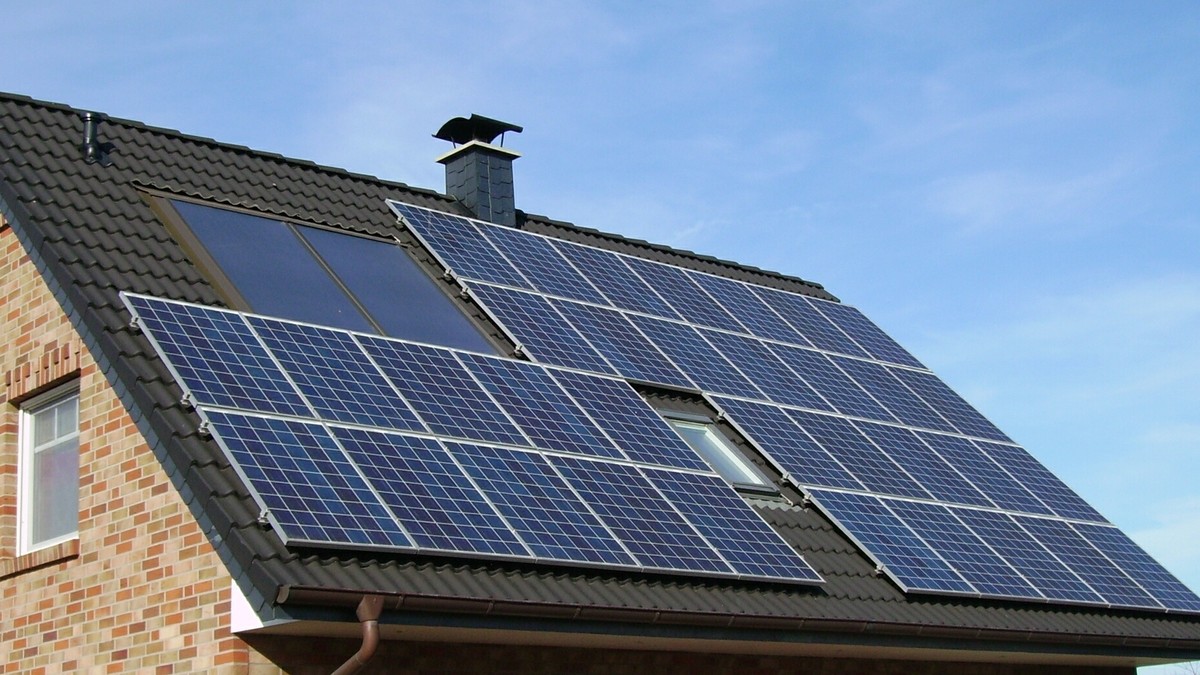
Thinking of converting your home to solar energy? Get help! This is not a do-it-yourself project, and you cannot learn how to do this from an online video.
Still, if you are more construction-minded and handier than your neighbor, you can make it as simple as possible with this how-to guide:
1. Think it over!
You want to start by asking yourself why you are converting to solar energy. Every motive has a cost, and each one generates its own return on investment.
- Reduce energy use to your carbon footprint and dependence on fossil fuel.
- Lower your current energy costs and protect against future increases in power rates.
- Improve the property’s value.
2. Choose your system
You will have to choose between solar thermal systems and PV (photovoltaic) panels.
- Solar thermal systems use the sun’s energy to heat and boil.
- PV systems convert the sun’s energy into AC electricity to run the house, from the heating to the cooling functions, lighting to cooking, and operating all appliances.
3. Decide where to put it
Your home’s location and alignment to the full sun exposure count. Count the hours of sunlight. Measure the angle of the sun with respect to the solar panels. This important decision affects the installation costs directly.
But, you also have to mount panels without causing the roof to leak. You must consider how to install on tar, gravel, tile, metal, or composition shingle roofs. You need to determine if your roof construction can support the system or pass fire or city inspection.
4. Price it!
Up front installation may seem pricey, and the system may or may not recover that cost over time. Recovered cost depends on your usage, local energy rates, financing and leasing.
The Energy Information Administration puts the average U.S residential electricity price at 11.23 cents per kwh (2009) If a PV panel puts out 250 kwh/year, it saves $28.08/year making the payback period just under 18 years on a $500 panel. Where your kwh rate is higher than $0.1123, the payback will accelerate.
5. Buy it?
- There are now plug-in panels that you can install with less work in wiring since these panels work on AC (alternating current).
- Free-standing panels are available for installation in a place located away from the home. These require building a platform and laying underground conduit for the wiring.
- Paneling the roof involves wiring and infrastructure to support the panels, more or less difficult depending on the existing roof configuration.
6. Get help!
You need assistance in this project. That may even mean something as simple as just added pairs of hands for lifting and carrying. But, it should include a certified solar professional. Most people will choose to hire a professional to help them with this project, but you can also seek certification yourself online. You can take courses at your local trade school or community college. Or, you can pursue certification through North American Board of Certified Energy Providers (NABCEP).
- The certified status offers comfort and peace of mind because the certified pro got there by meeting or surpassing standards and passing exams.
- The certification distinguishes the pro from the competition.
- The certification assures quality in the work performed and the fees charged.
Do keep in mind that, in addition to certification, most states require installation be completed by licensed contractors.
In short, it takes education, training, and certification to install solar energy systems without undue cost, risk, and danger.
About the Author
Nicole is a freelance writer who enjoys writing about the green energy field, including solar energy, solar panels, and more.
thetimchannel