
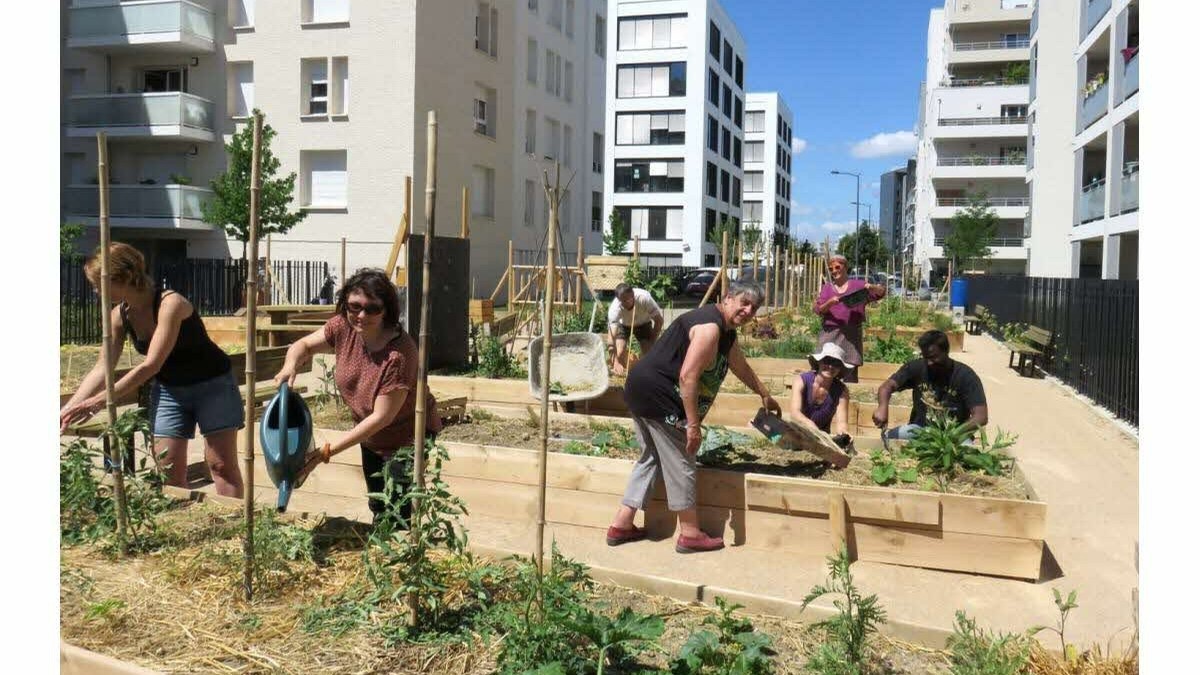
What do Kaiser Permanente, Toyota and Coca-Cola have in common? The short answer is produce. These companies and many others are actively involved with public and workplace gardens. At first glance, their actions could be mistaken for philanthropy or public relations activities. In reality, workplace and community gardens produce definite benefits for the company, employees and the community at large.
Corporate involvement is just one component in a rapidly growing public gardening phenomenon. All across America, vacant lots, rooftops and parks are going green as neighborhoods, government and business join forces to grow healthy food and beautify the community.
Partnerships in public gardening
Wise business executives and canny politicians working together is a powerful force for good. New York’s Community Gardens Program provides one excellent example of what happens when corporate sponsors and local business work with the community to improve the quality of life. The Capital District Community Gardens Program is a vital force providing healthy food and healthier communities in New York’s capital region.
The program began in 1975 as a community service effort by the manufacturers of Troy-Bilt lawn and garden equipment. Today the program’s 49 community gardens provide fresh food to thousands of families. Cities once dominated by concrete now are home to thousands of trees that both beautify and help cool the urban landscape.
Dozens of major corporate sponsors and local business interests working with community leaders have seen the program grow and expand its efforts. Expanded services now include providing produce to soup kitchens and the Veggie Mobile service to deliver food to hundreds of elderly, low income and disabled area residents.
Greening the urban landscape
Cities and communities across America enjoy the benefits gained when people work together to build community gardens and green spaces. Inner city areas become revitalized as people work together to grow their own food. Parks grow on once vacant city lots and playgrounds filled with greenery provide neighborhood families safe and healthier places to play and relax.
In many areas, residents see crime go down as public gardens and neighborhood green space grows. Research reported by the University of Washington shows that urban neighborhoods with greater access to vegetation saw a marked decrease in violent crime, vandalism and littering. Natural landscapes tend to reduce tension and create a sense of security lacking in more stark urban environments.
Workplace garden power
Productivity and morale improves markedly for companies that sponsor workplace gardens. A company garden encourages employees to engage with their co-workers in a relaxed environment. Breaking down stress and communications barriers, working together in the garden promotes cooperation and camaraderie reflected in increased job performance and productivity.
Free or very low cost food from workplace gardens is a popular employee benefit that costs the company very little to provide and rewards the company with healthier and happier employees. Working in the garden reduces stress, improves employee health and stimulates creative thinking. Everyone wins because healthy, creative workers use fewer sick days, cost less to insure and perform better. Many companies donate much of the produce to local food banks or shelter relief organizations to help feed the homeless.
Up on the roof
Every city in America contains thousands of acres of wasted space just perfect for community gardening projects. Rooftop garden projects provide many benefits for residents and the city as a whole. Green rooftops do a lot more than just grow vegetables and look pretty. EPA research shows that buildings with plants growing on the roof cost less to heat and cool.
Live plants on top of a building also keep the air and water in a city cleaner and cooler. The plants slow down rainwater runoff and filter pollutants out of the rainwater. More green space makes urban living healthier, safer and more attractive for residents.
Trends for the future
Cities and towns are beginning to appreciate the benefits of rooftop community gardening as the trend grows. By 2008, green space in America grew to include over 8 million acres of rooftop garden projects. Interest in community gardens and green spaces continues to grow as more emerging graduates with human services degrees help their communities understand that going green makes their town a safer and healthier place to live in.
Dougtone